
fluted frosted glass
The Importance and Implementation of Grounding in Welding Operations Welding is an essential process in various industries, from automotive to construction, where strong and durable metal joints are crucial. One of the often-overlooked aspects of welding safety and effectiveness is grounding. Proper grounding not only ensures the integrity of the welds but also significantly enhances the safety of the welding operation. In this article, we will explore the significance of grounding in welding, the methods for effective grounding, and the consequences of neglecting this critical aspect. The Significance of Grounding in Welding Grounding in welding refers to the practice of connecting the welding machine to the workpiece or the welding table to establish a low-resistance path for electrical current. This process is pivotal for several reasons 1. Safety Proper grounding helps prevent electrical shocks which can be fatal. In welding operations, the presence of high voltage increases the risk of electric shock. A well-grounded setup diverts stray currents, reducing the potential for hazardous situations. 2. Quality of Welds Grounding is essential for achieving high-quality welds. A poor ground can lead to unstable arcs, excessive spatter, and incomplete fusion, ultimately compromising the strength and integrity of the weld. Consistent grounding ensures stable arc length and smooth operation. 3. Equipment Protection Grounding helps protect welding equipment from damage due to electrical surges. Without proper grounding, equipment can suffer from overheating or failure, leading to costly repairs and downtime. 4. Compliance with Regulations Many safety regulations and standards mandate proper grounding in welding operations. Adhering to these standards not only promotes safety but can also be a legal requirement for businesses in the welding industry. Methods for Effective Grounding Implementing grounding in welding operations involves specific techniques to ensure a reliable and safe connection 1. Using a Ground Clamp The most common method is attaching a ground clamp to the workpiece. The clamp should be firmly secured to a clean, unpainted surface to minimize resistance. Using a copper or bronze clamp can enhance conductivity. grounding welding table 2. Grounding Rods For larger operations or outdoor welding, grounding rods can be driven into the earth to provide a solid grounding point. This is particularly useful in mitigating any high-voltage surges that may occur during welding. 3. Welding Table Grounding For welding tables, a dedicated grounding cable can be attached directly to the table structure. This setup requires all workpieces to be in contact with the table, ensuring a conductive path between the machine and the workpiece. 4. Regular Maintenance Grounding systems should be regularly inspected and maintained. Connections can loosen over time, and corrosion can develop, affecting conductivity. Regular checks ensure a continuous and effective grounding system. Consequences of Neglecting Grounding The failure to properly establish grounding can lead to severe complications 1. Increased Risk of Electrical Shock An ungrounded system poses a serious shock hazard to welders and nearby personnel. Electrical surges can also create arc flash incidents, resulting in injuries or fatalities. 2. Subpar Weld Quality Poor grounding leads to inconsistent arc stability, which can cause weld defects. The integrity of critical structures can be jeopardized, leading to potential failures that could endanger lives. 3. Equipment Damage Neglecting grounding may result in costly damage to welding equipment, leading to downtime and financial loss. Repairing or replacing damaged equipment can strain the budget and delay project completion. 4. Legal Ramifications Businesses that fail to follow grounding regulations may face legal penalties, including fines and shutdowns. Ensuring a safe and compliant welding operation is crucial for long-term success. Conclusion In conclusion, grounding is a fundamental aspect of welding operations that is often underestimated. Its significance in ensuring safety, weld quality, and equipment protection cannot be overstated. By employing effective grounding techniques and adhering to proper safety measures, welders can create a safer working environment and achieve superior results in their projects. As welding professionals continue to advance their skills and technologies, prioritizing grounding will be essential in fostering a culture of safety and excellence in welding practices.
about
fluted frosted glass
How to Turn Off the Main Water Valve Turning off the main water valve in your home is an essential skill every homeowner should possess. Whether you're facing a plumbing emergency, like a burst pipe or a significant leak, or you simply need to carry out repairs, knowing how to effectively shut off the main water supply can save you from costly damage. Here’s a comprehensive guide on how to locate, turn off, and understand the significance of your main water valve. Understanding the Main Water Valve The main water valve serves as the primary shut-off point for your home’s water supply. It controls the flow of water from the municipal supply or your well, and when turned off, it stops the water from entering your home’s plumbing system. This valve is typically located close to where the water line enters your home, which could be in a basement, crawl space, or near the foundation. Locating Your Main Water Valve Before you can turn off the main water valve, you first need to find it. In most homes, the valve is located 1. In the Basement or Crawl Space If your home has a basement, check near the wall that faces the street or near the floor where the water line enters. In a crawl space, look for the valve close to the ground and accessible without too much difficulty. 2. Outside In some homes, particularly those without basements, the main water valve may be located outside, often near the foundation . This could be in a small pit covered by a metal or plastic lid. 3. Utility Areas Some homes have their main water valve in utility rooms or laundry areas. Check behind appliances or fixtures like washing machines. how to turn off main water valve Turning Off the Main Water Valve Once you've located the valve, it’s time to turn it off. The process generally involves the following steps 1. Identify the Type of Valve There are two primary types of valves—gate valves and ball valves. A gate valve typically has a round handle and requires you to turn it clockwise until it is tight. A ball valve has a lever-style handle that needs to be turned perpendicular to the pipe, essentially perpendicular to the water flow. 2. Turn Off the Valve - For a gate valve, grab the handle and turn it clockwise until it can no longer turn. - For a ball valve, switch the lever 90 degrees so that it is perpendicular to the pipe. 3. Check for Leaks After turning off the valve, check faucets in your home to ensure the water supply has indeed been cut off. This step is crucial, especially if you’re preparing for plumbing work. Why is This Important? Knowing how to turn off your main water valve is vital for several reasons. First, it can help minimize water damage in case of an emergency. A burst pipe can release a significant amount of water in a short time, leading to structural damage and costly repairs. Additionally, shutting off the main valve is essential during severe weather, such as freezing temperatures, to prevent pipes from bursting due to expansion of ice. Conclusion In summary, being able to turn off the main water valve is a critical skill for any homeowner. It allows you to respond quickly to plumbing emergencies, reduces the risk of water damage, and prepares you for maintenance work on your plumbing system. Take a few moments to locate your valve, familiarize yourself with its operation, and practice turning it off. By doing so, you’ll be better prepared to protect your home and manage plumbing issues effectively.
-

High quality industrial productsagement

High quality industrial products
View Details -

Meet the diverse needs of customers

Meet the diverse needs of customers
View Details -

Strict quality control

Strict quality control
View Details -

Top raw materials

Top raw materials
View Details -

Trusted supplier

Trusted supplier
View Details
Our application

news and information
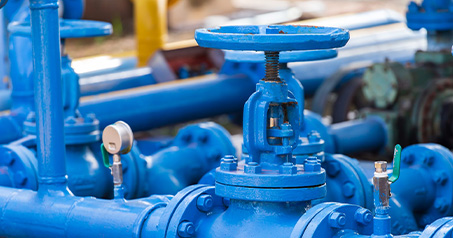
Where to Find the Best Valve for Sale
Valves are the unsung heroes of industrial operations, playing a critical role in controlling the fl

Wskaźnik gwintu g i h
Temat gwintów i narzędzi pomiarowych, takich jak wskaźnik gwintów typu plug gauge, jest niezwykle is

Válvula de cierre
Válvulas de Globo Importancia y Aplicaciones Las válvulas de globo son componentes esenciales en num
 English